The A.M.E. Zion Church
Our Church
Our History
In August of 1796, several African members of the John Street Methodist Episcopal Church in NYC
sought and received permission to meet with Bishop Frances Asbury. As members of John Street Church, many of these members were unable to exercise their spiritual gifts of worship and preaching within John Street; so, they asked the Bishop permission to meet separately from John Street in the intervals of the regular meetings of John Street, so that they could exercise those gifts within the freedom for which God had called them. They rented a house and held meetings on Sunday afternoons and Wednesday evenings. They continued in this way until 1799.
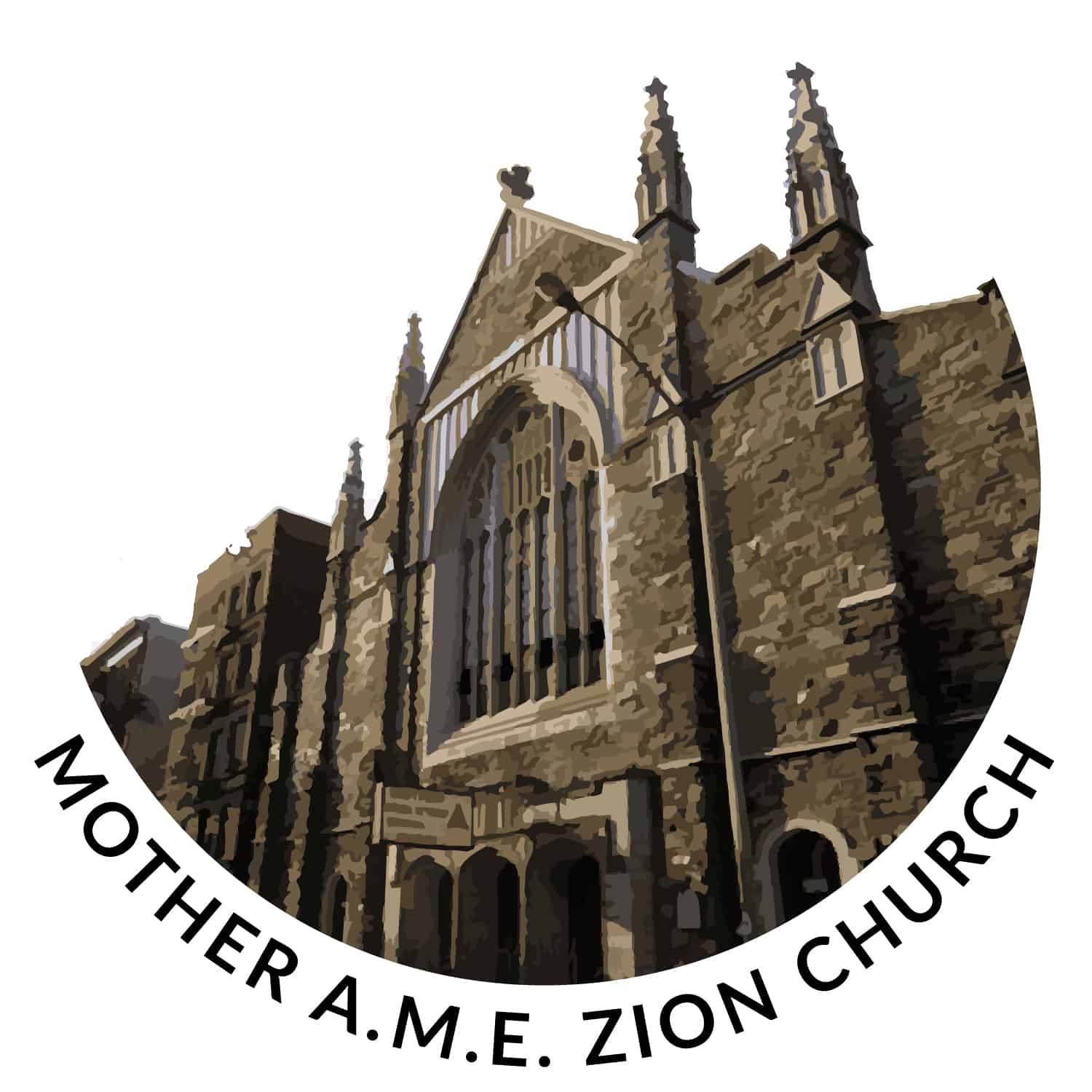
By 1799, the number of persons had grown such that they needed to find a larger space, and they began to raise funds to build their own church. This group, who was called Zion (after the name of the city of God), began making plans to form themselves into their own separate corporate body. They elected Trustees, raised funds, and began building their church in the autumn of 1800. In February of 1801, they signed a Charter in the State of New York incorporating the Church as the African Methodist Episcopal Church in the City of New York (This name would be changed in 1848 to The African Methodist Episcopal Zion Church, maintaining their historic name of Zion, but distinguishing the Church from a separate body in Philadelphia of a similar name). As a duly incorporated Church body, they, however, had no ordained ministers of their own; the New York Conference of the Methodist Episcopal Church unwilling to ordain African persons. Therefore, Zion drew up Articles of Agreement with the John Street Church which gave the Trustees of Zion full control of the affairs of Zion (in accordance with the laws of the State of New York); and Zion agreed to receive the Elder of John Street for the administration and receiving of the Sacraments. Zion continued in this way until 1820.
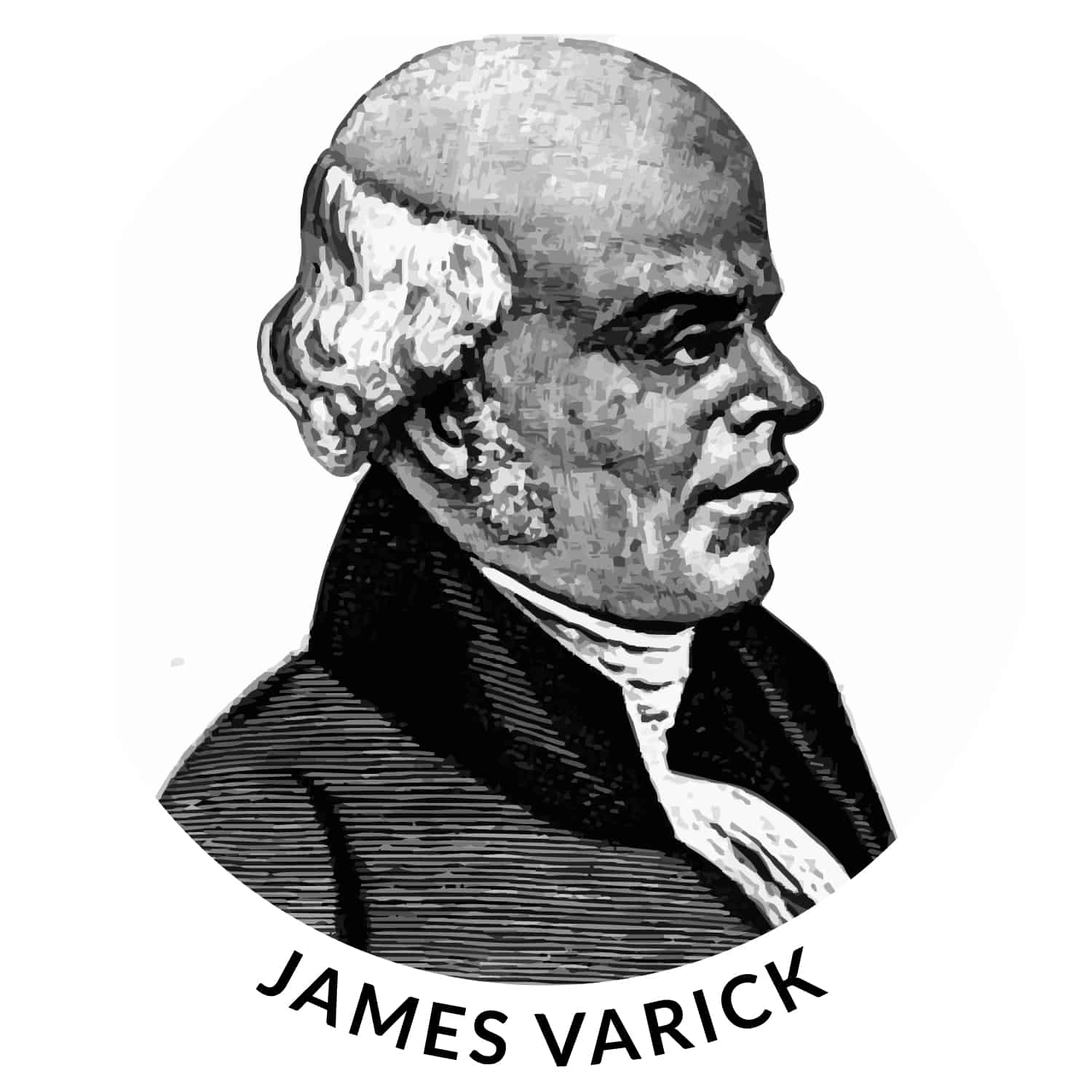
In July of 1820, a faction developed in the John Street Church which greatly disturbed Zion. The members of Zion met and decided that they needed to withdraw from the Methodist Episcopal Church; however, this decision was complicated by the fact that Zion did not have an ordained Elder. In October of 1820, Zion published its first Book of Discipline, setting it apart as an independent Church body, but it still did not have an ordained Elder. Over the next 21 months, through negotiations with the Methodist Episcopal Church and other bodies friendly to Zion, Zion still could not secure ordination for its ministers. In July of 1822, 3 Elders who had withdrawn from the Methodist Episcopal Church agreed to ordain our ministers as Elders. Thus, Abraham Thompson, James Varick, and Leven Smith were ordained Elders. With this, Zion now had a fully ordained ministry and could function as a fully independent denomination. They subsequently met in Conference and elected James Varick as their first Bishop.
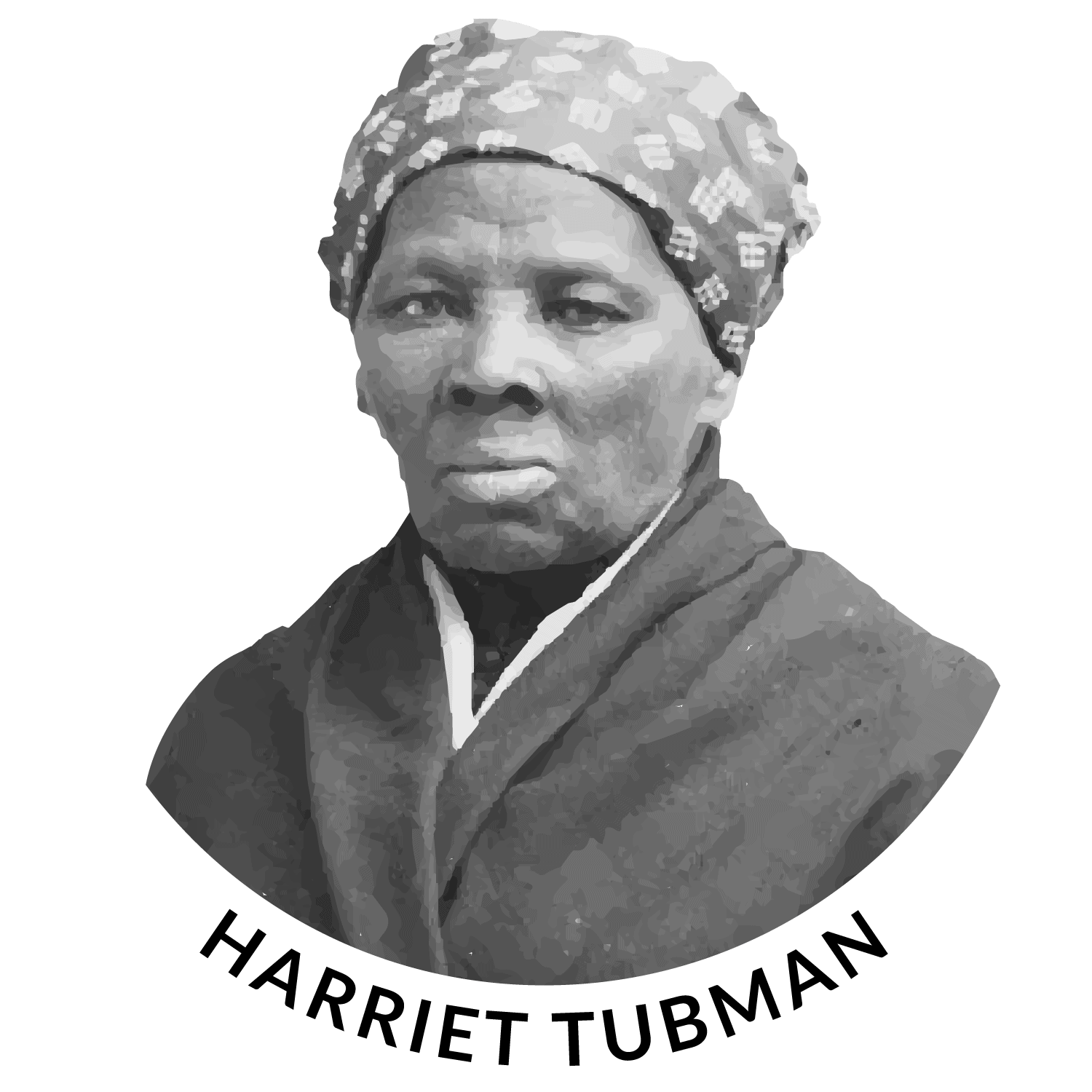
Known as the Freedom Church for its strong advocacy for abolition, civil and human rights, Zion has spread across 5 of the seven continents, with a total membership of over 2 million members. Zion counts as members such personages as Harriett Tubman, Frederick Douglass, Paul Robeson, Coretta Scott King (the Church of her birth), and Tony Award-winning Adrienne Warren.
Our Beliefs
The African Methodist Episcopal Zion Church professes the historical faith in God,
who by Himself – outpouring, was manifest incarnate in Jesus Christ for our salvation. By God’s grace and the power of His Holy Spirit all believers become the new humanity. The incarnation having reached its completion in Jesus, who is the Christ, is continuing in the Church and is overcoming the calamity of the human predicament. We strive in the hope that the Church will grow from sinful existence through purification to oneness with God.
Our Heritage in doctrine and our present theological task demand that we renew our faith and understanding of the love of God, our Father, and the Lordship of His Son, Jesus. We believe that all who have faith in Him will be empowered and invigorated by the Holy Spirit to risk all for the reconciling work and fulfillment of the Kingdom of God.
Our Heritage
Zion Methodism grew out of the merciless enslavement of our African forefathers.
They were kidnapped from their native land, chained, shackled, and shipped as beasts in deplorable conditions to a strange and distant land, having no family, no culture and no language. Yet, our fathers and mothers were comforted by the Lord God, through Jesus Christ, in the cotton fields and every place of their humiliation and degradation revealing to them that He would always be with them as He had been with them in the past. When Jesus, upon whom the Spirit of the Lord had descended, was preached at John Street Methodist Church, they united with that fellowship. However, bigotry and oppressively cruel barriers confronted them. The Spirit of the Lord led them in the establishment of Zion Chapel (which later became The Mother Church of Zion Methodism) where the gospel of His redeeming grace could be experienced. Taking with them the doctrines, discipline, and polity of The Methodist Church, they proceeded in the establishment of Zion Methodism. They believed that God had called them out of their bondage and had chosen them to be His people and a channel of His redeeming love for all people.
We believe and understand today that, in the Divine Economy, Zion Methodism is to make disciples of all persons throughout the earth, to bring good news to the poor, to proclaim release to the captive, recovery of sight to the blind, to let the oppressed go free and to proclaim the Year of the Lord’s favor. We are to continue this mission until Christ, God’s Son, shall come again.
Mission Statement
The mission of The African Methodist Episcopal Zion Church is to increase our love for God and to help meet the needs of humankind by "Loving God with all our heart, with all our soul, and with our entire mind, and to love our neighbors as ourselves."
Implicit in this statement is the belief that the church should have a positive relationship to humankind horizontally. We also share in the mission of His Son Jesus Christ, in “healing the sick, helping the blind to receive sight, the lame to walk, the leper to be cleansed, the deaf to hear, the dead to be raised, and the poor to have the Good News preached to them.” – Luke 4:18.
We actualize this mission by praising God, by being obedient to the demands of the Gospel, by telling the story of God’s gracious acts in creating and redeeming the world, by inviting persons to commit their lives to Jesus Christ, and by serving as ministers of God’s liberating and reconciling grace.
Along with its emphasis on ministry and social change here in the United States, the denomination has focused much of its attention and energies on outreach abroad. To date, The A.M.E. Zion Church has member churches on all continents except Australia. In West Africa, in particular, the denomination has set up numerous schools and clinics throughout Ghana and Nigeria. The Church also has facilities in Liberia, though some of its main structures have been destroyed by civil war.
Overseas missions are a crucial component of The A.M.E. Zion Church's outreach, but the denomination believes in charity starting at home. That is why, over the years, several individual churches have implemented programs to help families to find low-income housing, jobs, financial planning assistance, health care and day care services. "Our concern is for the whole person," says Bishop Cecil Bishop, the (retired former) senior bishop of the The A.M.E. Zion Church. "We have a holistic approach and a holistic gospel. We don't feel that we live in a kind of compartmentalized sense, but that life is a complete whole. So we have to be concerned about all of those amenities of life that help make up wholeness in an individual."
The outward person is important, but the primary focus of The A.M.E. Zion Church remains spirituality and "sharing the good news of the gospel," says the former senior bishop. As we, The A.M.E. Zion Church continues to expand and diversify its ministry, we also are preparing to lead an ever increasing youthful church body into the next century.